
A Different Kind of Turning Point
Long before anyone called me “the resilience guy,” I learned the meaning of resilience the hard way — not from a textbook or a leadership seminar, but from a moment when life drew a hard line and said, “Let’s see what you’re made of.”
There’s a point in every person’s life when theory stops and reality shows up with teeth. For my wife Dee and me, that moment wasn’t a metaphor. It was a five-day fight for survival in a Colorado blizzard so severe the national news ran updates every hour. By day three, the Sheriff went on TV and told the country there was only a 10% chance we were still alive. By day five, the search was called off.
But numbers aren’t destiny. And resilience doesn’t care what the odds say.
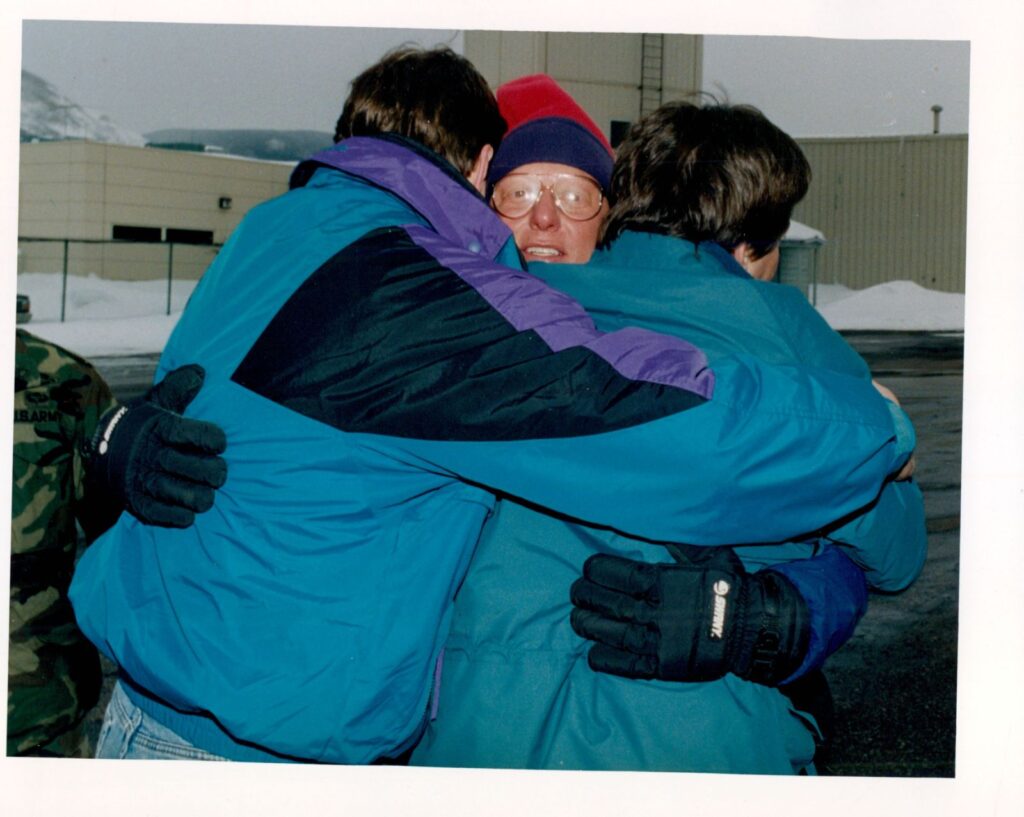
Against every prediction, we skied out of the mountains alive. Dee was frostbitten, but she survived. And the first phone call I received in the hospital was from the President of the United States — not because we were heroes, but because we refused to quit.
That experience didn’t just test our resilience. It defined it.
And it taught me a truth that has guided my life and my work ever since: resilience is a superpower.
What Resilience Really Means
Most people think resilience means being tough. To me, resilience is simpler—and more powerful. It’s the ability to get knocked down and get back up. Again. And again. That’s what we did night after night in the blizzard. We shivered violently for hours lying in the snow with no tent or sleeping bag. And every morning, we packed our frozen gear with numb fingers, strapped on our skis, and broke trail through thigh-deep snow.
Resilience wasn’t glamorous. It was grit, persistence, and a refusal to give up.
That same quality is what separates thriving organizations from those that crumble under pressure.
Resilience in the Workplace
Today’s workplace is a storm of constant change—AI disruption, global instability, hybrid work, shifting employee expectations. Leaders and teams get knocked down by setbacks, criticism, failed initiatives, and sudden crises.
Resilient organizations don’t avoid these storms—they bounce back faster. They reframe challenges as lessons. They build cultures where setbacks aren’t shameful—they’re stepping stones.
Gallup reports that burned-out employees are nearly three times more likely to quit their jobs. Yet resilience protects against burnout. Employees with resilience see obstacles as temporary, specific, and external—not permanent, pervasive, and personal. That mindset creates energy instead of draining it.
Three Steps to Build Resilience Muscles
Step 1. Shift the Story
The experience of our lives is not what happens to us—it’s how we interpret it. In the blizzard, another woman in our group believed she couldn’t survive another night. She laid down in the snow, ready to quit. Same conditions, different mindset. She nearly gave up, but we kept her and ourselves going. Resilience starts with the story you tell yourself.
Step 2. Stack Your Win
Every challenge you survive becomes proof you can handle the next one. When you stack those wins, you transform trauma into growth. Psychologists call it “post-traumatic growth”—what doesn’t kill you can make you stronger, if you let it.
Step 3. Anchor in Optimism
Optimism isn’t ignoring reality—it’s focusing on the part of the glass that’s full. Maybe you only have a 10% chance. Focus on that 10%. Optimism fuels resilience, and resilience fuels persistence.
Lessons from Leaders and Athletes
As a filmmaker, I asked Olympic athletes, Fortune 500 CEOs, and even U.S. Presidents how they overcame adversity. Their answers echoed what I’d lived in the mountains: resilience was the differentiator.
An Olympic coach told me, “Training is about teaching athletes to recover fast—from failure, from fatigue, from setbacks. Champions aren’t the ones who never fall. They’re the ones who get up fastest.”
A CEO said, “We’ve had product failures, lawsuits, and crises. What mattered wasn’t avoiding them—it was how quickly we rallied and moved forward.”
The most successful leaders didn’t avoid getting knocked down. They mastered the art of rising.
The Gift of Resilience
Resilience isn’t just about survival. It transforms us.
Dee and I walked out of that blizzard with frostbite scars, yes—but also with an unshakable confidence. After being left for dead and surviving, every future challenge felt smaller. Resilience had rewired us: “If we can survive that, we can handle anything.”
That’s the gift resilience gives you. It turns setbacks into springboards. It transforms fear into fuel. It reminds you that you are stronger than you think.
What Leaders Can Do Today
• Normalize setbacks. Make it clear to your team that mistakes are part of growth.
• Model resilience. Share openly how you’ve recovered from setbacks—don’t just showcase your wins.
• Celebrate bounce-backs. Don’t only reward success; recognize persistence and recovery.
When you do, you create a culture where people don’t hide failures—they rise from them.
The Takeaway: Resilience isn’t the absence of struggle. It’s the determination to keep getting up. It’s the muscle that turns adversity into growth, storms into teachers, and setbacks into stepping stones.
So the next time you’re knocked down—whether by a business challenge, a personal loss, or a shifting world—take a deep breath. Get back up. And remember: resilience is your superpower.