
A Lesson in Italy
Early in my career as a documentary filmmaker, I had the chance to film Buckminster Fuller—the visionary architect and futurist known for the geodesic dome. Bucky wanted to change the world and he shared with me what he saw that separates the truly great from the merely good. He said: “How you do one thing is how you do everything.”
At the time, it sounded like a clever line. Decades later—after sailing 75,000 miles, surviving storms at sea, and working with high performers—I know it’s one of the deepest truths I’ve learned.
Excellence Is Habitual
Excellence isn’t situational. It’s a way of being. If you cut corners in the small things, you’ll cut them in the big things. If you hold yourself to a higher standard in the small things, you’ll do the same when the stakes are high. This is as true on a sailboat as it is in the boardroom.
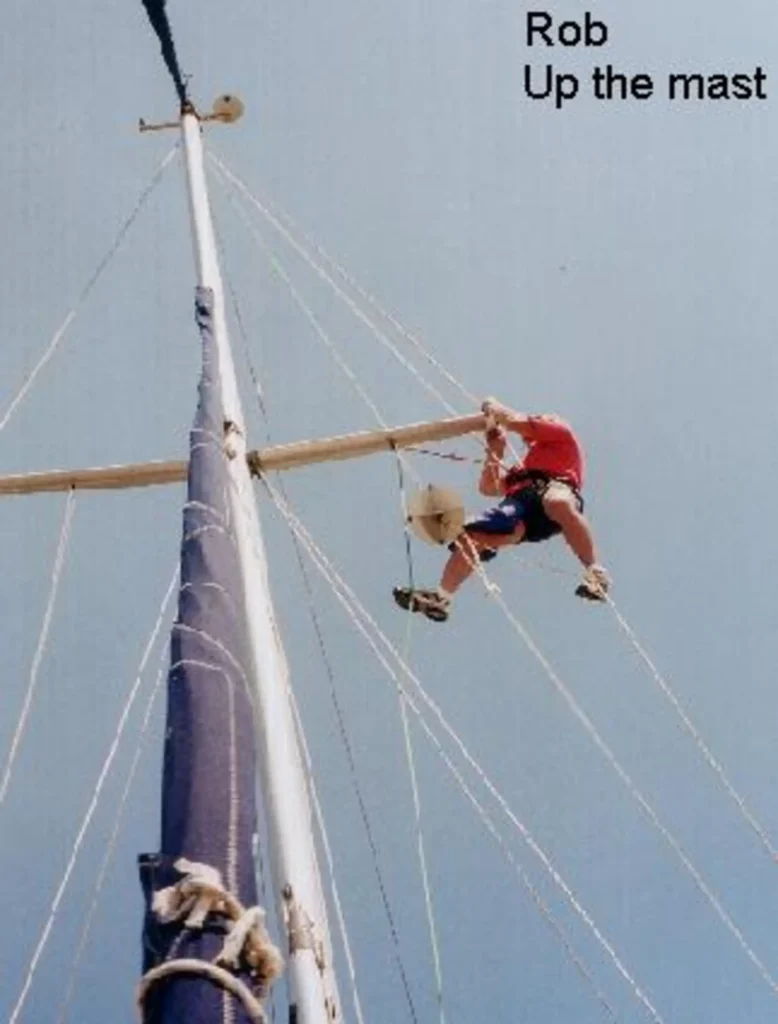
On passage, coiling a rope properly isn’t about neatness—it means the line will run free in a storm. Checking rigging isn’t busywork—it’s the difference between a safe passage and a broken mast. How we did the small things was how we did the big things.
The Details Define You
As a filmmaker, I learned that every small choice compounds. On one documentary shoot, a veteran cinematographer stopped to adjust a small lamp that wasn’t even in frame. When I asked why, he said, “If I accept sloppiness here, I’ll accept it elsewhere. Everything is connected.” The details aren’t just details—they’re training for how you show up when it really matters.
What Leaders Miss
Too many leaders think they can compartmentalize. They’re careless in email but expect sharp performance in meetings. They fudge numbers in private but demand trust in public. But people notice. Culture is built not from grand gestures, but from daily consistency.
If you want a culture of excellence, it doesn’t start with mission statements. It starts with how leaders do the smallest tasks—returning calls promptly, listening attentively, showing up prepared, keeping promises.
Sailing Lesson: Small Things, Big Stakes
On our voyage, we crossed oceans where waves reached 20–30 feet, winds howled through the rigging, and our 40-foot boat was tossed like a cork. Survival depended on the thousand small choices we had made before the storm hit.
Had we checked the weather thoroughly? Secured every hatch? Practiced reefing until it was second nature? Storms don’t test you—they reveal you. They reveal the habits you built in calm weather.
It’s the same in business. When disruption hits—economic downturns, new technologies, employee turnover—those aren’t the moments to start practicing excellence. They’re when your habits are revealed.
Three Leadership Practices
Step 1. Hold Yourself to a Higher Standard
Excellence is contagious. When leaders hold themselves accountable in the smallest details, teams rise to meet them. When leaders are careless, teams follow suit.
Step 2. Treat Every Task as Culture-Building
Culture isn’t set in retreats or workshops—it’s set in daily actions. A leader who thanks a team member for a small contribution sends a cultural signal. A leader who ignores it sends another. Every action teaches. Which lesson are you teaching?
Step 3. Practice Integrity in Private
The truest measure of character is what you do when no one is watching. Do you cut corners when you think you won’t be caught? Do you allow sloppiness in your own work while demanding perfection from others? Teams sense this. Integrity isn’t what you preach—it’s what you practice.
Stories That Stick
I once worked with a CEO who had a simple ritual: every morning he walked the office before sitting down. If he saw a scrap of paper on the floor, he picked it up. At first people thought it was quirky. Eventually it became symbolic. Employees started noticing details too. Excellence became a reflex—not because of a memo, but because the leader modeled it.
For Leaders Today
Ask yourself: Where am I allowing small sloppiness to creep in? How might that be echoing in our culture? Where can I model excellence today, even in something tiny? The answers shape more than you think.
Final Thought When Buckminster Fuller told me, “How you do one thing is how you do everything,” I didn’t fully understand it. After decades of adventure, filmmaking, business, and sailing, I do. If you want your organization to thrive in big things, start with the small ones. Because how you do one thing is, indeed, how you do everything, so hold yourself to a higher standard in everything you do.